Chip Fabrication
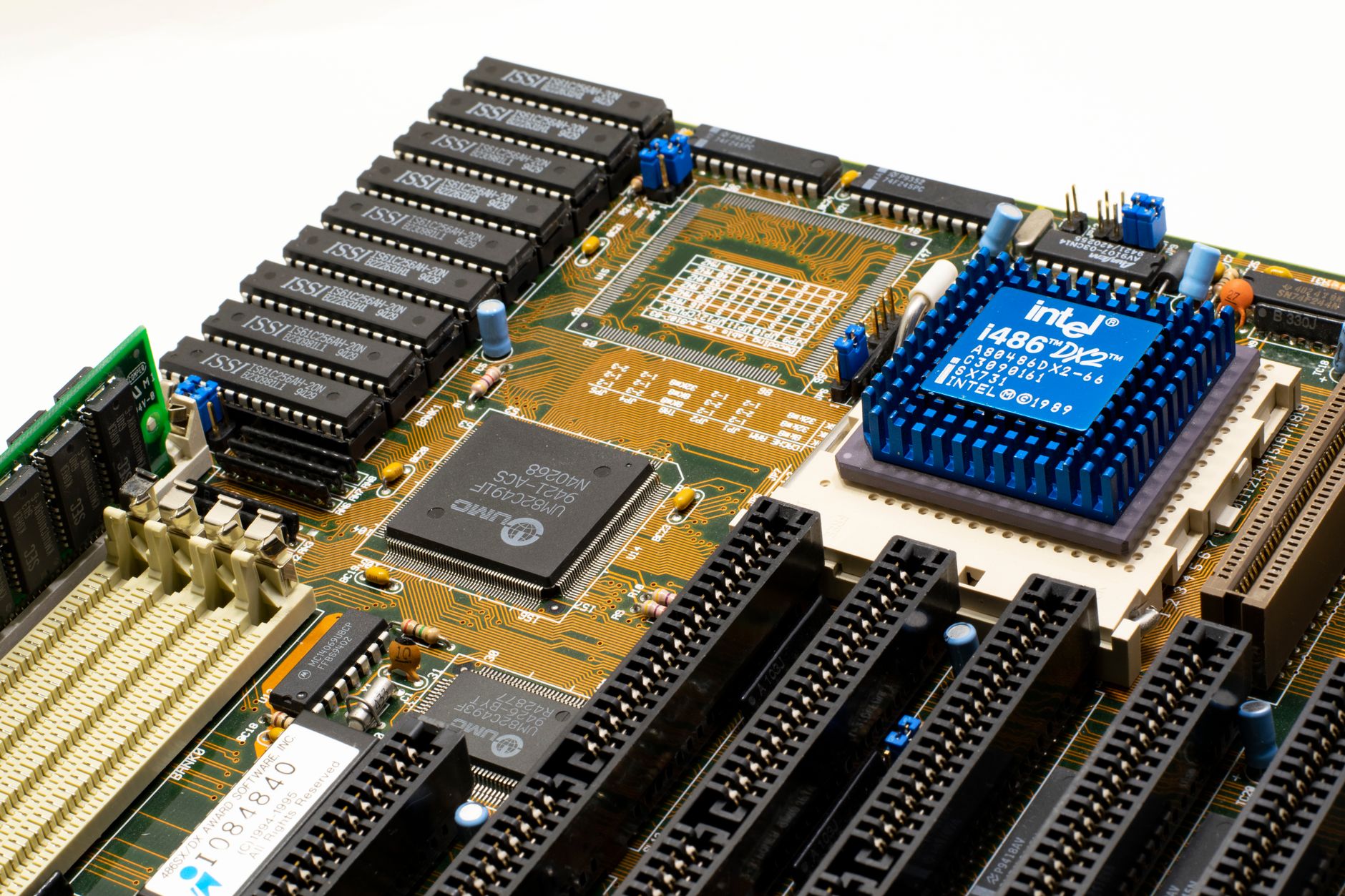
Mass-Producing Small Chip Fabs
You are about to witness a significant shift in the tech industry. Jim Keller's startup is building a factory to mass-produce small chip fabs, which could democratize access to cutting-edge hardware for developers and AI researchers.
What Does This Mean for You?
As a developer or AI researcher, you will have the opportunity to work with the latest hardware, without being tied to large corporations or limited by expensive fabrication processes. This can lead to faster innovation and more diverse applications of AI and other technologies.
But what about the potential drawbacks? Some argue that mass-producing small chip fabs could lead to increased e-waste and decreased security, as more devices are produced and potentially vulnerable to attacks.
A Concrete Example
For instance, consider a startup working on AI-powered medical devices. With access to affordable, cutting-edge hardware, they can develop and test their products more quickly, potentially leading to breakthroughs in medical research and treatment.
And as the demand for AI computing power continues to grow, the need for efficient and cost-effective chip fabrication will become even more pressing. So, the ability to mass-produce small chip fabs could be a crucial factor in driving progress in this field.
- Increased access to cutting-edge hardware for developers and AI researchers
- Potential for faster innovation and more diverse applications of AI and other technologies
- Concerns about increased e-waste and decreased security
Or will the benefits of mass-producing small chip fabs ultimately outweigh the drawbacks? Only time will tell, but one thing is certain: this development has the potential to transform the tech industry in profound ways.


