OpenAI ChatGPT Linux
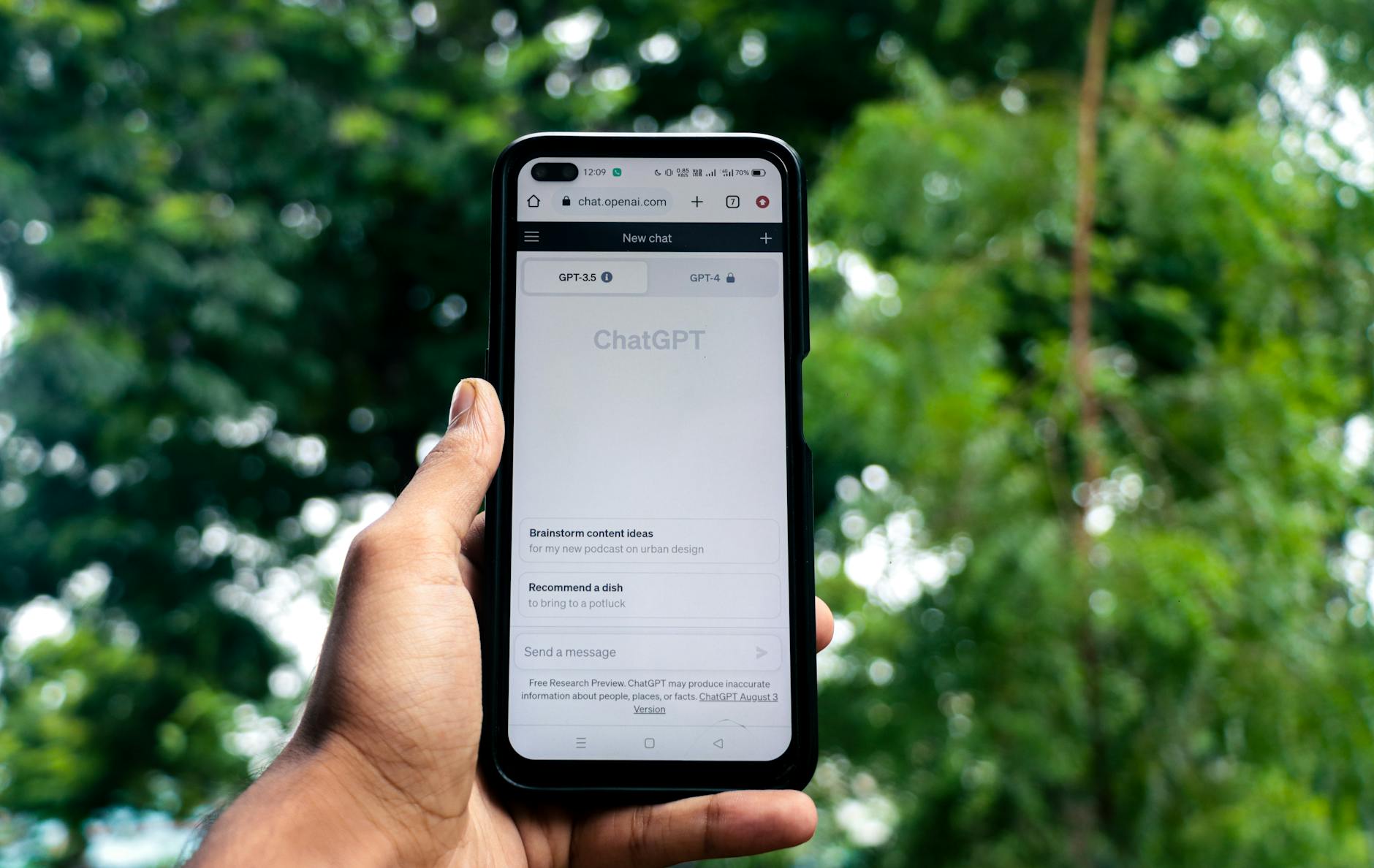
Introduction to OpenAI ChatGPT Linux App
You're likely familiar with ChatGPT, but a desktop app for Linux marks a significant shift in OpenAI's strategy. And this move to make ChatGPT more accessible to developers could change how you work with AI. So, what does it mean for the future of AI development?
Benefits of the Desktop App
For you, the benefits of a dedicated desktop app are clear: more control over your workflow and easier integration with other tools. But what about the potential drawbacks? Or the potential for this app to become a central part of your development process?
Consider a scenario where you're working on a project that requires frequent interactions with ChatGPT. You can now use the desktop app to streamline your workflow, saving time and increasing productivity. And with the app's offline capabilities, you can work on your project even without a stable internet connection.
Counter-Arguments and Nuances
But some might argue that a desktop app for Linux is not enough, that OpenAI should focus on improving the web-based version of ChatGPT instead. So, how will OpenAI address these concerns and balance the needs of different user groups?
One possible approach is to provide a unified experience across all platforms, allowing users to switch seamlessly between the web-based and desktop versions of ChatGPT. This would require significant investments in infrastructure and development, but it could pay off in the long run.
Conclusion and Future Directions
As you start using the OpenAI ChatGPT desktop app for Linux, you'll likely discover new ways to integrate AI into your development workflow. But what's next for OpenAI and ChatGPT? Will we see more desktop apps for other operating systems, or will the focus shift to mobile and web-based platforms?
- Improved workflow management
- Enhanced collaboration tools
- Increased support for edge cases


